Managing Difficult Situations: Handling Aggression and Dissent on the Pitch
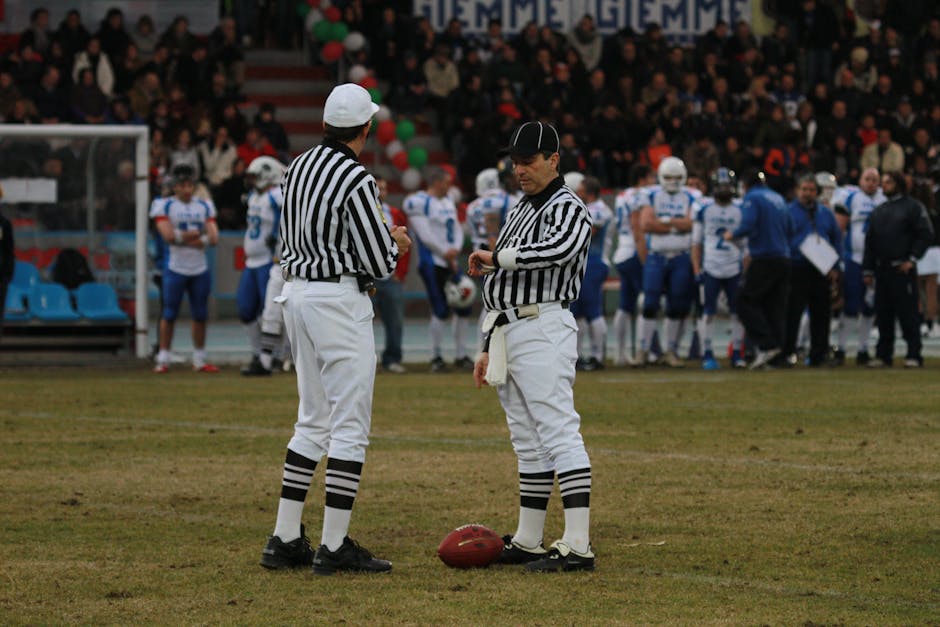
One of the most challenging aspects of refereeing is managing player and spectator behaviour, particularly when emotions run high. Developing strong communication skills and maintaining composure is essential to handle difficult situations effectively.
Aggression can manifest in various forms: verbal abuse directed at you, other players, or spectators; physical contact; or threatening behaviour. Your role is to protect all participants and ensure the match remains safe for everyone involved.
The first step in managing aggression is prevention. Set clear expectations early in the match by establishing your presence and authority. Communicate the Laws of the Game fairly and consistently. Players are more likely to accept decisions when they understand your reasoning.
When a player shows dissent through verbal complaints, remain calm and professional. A brief explanation of your decision often helps. However, if a player continues to protest or becomes abusive, you must take action. Persistent dissent can result in a caution (yellow card), and abusive language warrants a dismissal (red card).
Physical aggression requires immediate intervention. Any contact between players that goes beyond normal play must be addressed. Serious foul play or violent conduct results in a red card and potential further sanctions.
Key strategies for managing difficult situations include:
- Staying calm and avoiding emotional reactions
- Using clear, firm communication
- Positioning yourself where you can see incidents clearly
- Consulting with assistant referees when needed
- Documenting serious incidents in your match report
- Not tolerating abuse from any party
Managing spectators is equally important. Whilst you have less direct authority over spectators than players, you can report abusive behaviour to club officials. Serious incidents should be documented and reported to the appropriate league or association.
Remember that your safety is paramount. If you feel genuinely threatened, you have the right to abandon the match. Contact your referee association immediately after such an incident.
Training and mentoring from experienced referees can help you develop confidence in managing these situations. The North Middlesex Referees Association offers guidance and support for handling difficult matches. Don't hesitate to discuss challenging situations with colleagues or your association.
Building respect through consistent, fair decision-making and professional behaviour is the best long-term approach to reducing aggression on the pitch.